Ariel Childs Books: Inspiring Children's Literature
Exodus


Exodus 3-6
These lessons teach that God sometimes allows people’s hearts to be stubborn, shows Himself by His special name, and that Moses missed chances to speak boldly because he doubted. They remind us that God’s plans are powerful and sure, even when people resist or hesitate. Faith and obedience help us step into the role God wants us to have.
Bible Lesson: Missed Opportunity
Summary of Exodus 4:1–17
Moses ran away from Pharaoh when he found out that Pharaoh knew Moses had killed an Egyptian. Moses traveled far and ended up living in the desert. There he married and lived with his father-in-law, Jethro. Moses became a shepherd and took care of Jethro’s flock of sheep.
One day, while Moses was on the mountain, he saw something strange. A bush was on fire, but the leaves were not burning up. Moses went closer to take a better look. Then the Lord spoke to him and said, “Take off your sandals, because the place where you are standing is holy ground.”
Why did God tell Moses to take off his shoes?
Imagine you have white carpet in your house. It is clean and freshly vacuumed. Now imagine your friend comes over with boots that are thickly covered in mud. What would you ask your friend to do?
You would probably ask them to take off their shoes so they would not dirty the carpet.
The place where Moses was standing was like that carpet in a sense. It was clean and pure because God’s glory was there. Moses took off his sandals to show respect for God’s holiness and to honor Him.
God spoke to Moses and told him to go to Pharaoh and say, “Let My people go.” Moses was afraid the people would not believe that God had really spoken to him. So God gave Moses three signs to show that the message truly came from Him.
First, God told Moses to throw his staff on the ground. When Moses did, the staff turned into a snake. Second, God told Moses to put his hand inside his cloak. When he took it out, his hand was sick with a skin disease. When he put it back inside and took it out again, it was healed. Third, God said that if the people still did not believe, Moses could take water from the Nile River and pour it on the ground. The water would turn into blood.
These signs showed that God’s power was with Moses and that God had truly sent him. Even after this, Moses still worried because he didn’t speak well. God reminded him that He is the one who made mouths, ears, and eyes, and promised to help Moses speak. But Moses still asked God to send someone else.
God became angry, but He agreed to let Aaron, Moses’ brother, speak for him. God told Moses to take his staff and use it to show God’s power.
Lesson:
Moses had trouble speaking. Maybe his words came out too fast, maybe they got jumbled, or maybe he stuttered. Whatever the problem was, Moses didn’t feel confident.
When God told Moses, “Go to Pharaoh and tell him to let My people go,” Moses quickly started telling God all the reasons he couldn’t do it. He thought Pharaoh would not take him seriously because of the way he spoke. But God reminded Moses that He has all power. God promised to help him speak and even tell him what to say. Still, Moses refused.
This was a missed opportunity. If Moses had trusted God, he would have seen God’s power working through him. God could have even made him into a great speaker!
The lesson for us is this: when God asks you to do something, trust Him. He can give you the words, the courage, and the strength you need. Don’t miss the chance to see God work in your life! Maybe God is asking you to share your faith with a friend, to sing in front of your class, or to stand up for what is right. Whatever it is—act in faith, and trust Him.
Craft: “Open Door of Opportunity”
Supplies
1 sheet of construction paper (any color)
Scissors
Crayons/markers
Optional: stickers
Instructions:
1. Fold the Paper:
Fold the construction paper in half like a card (the fold is the side of the “door”).
2. Make a Doorknob:
Near the edge of the front, cut (or draw) a small circle to look like a doorknob.
3. Decorate the Front (the “door”):
At the top write: “Don’t Miss God’s Opportunity!”
Kids can draw panels, hinges, or designs to make it look like a real door.
4. Inside the Paper (the “room”):
When they open the folded paper, have them write inside: “I will help you speak and will teach you what to say.” – Exodus 4:12
Underneath, they can write or draw one thing God might want them to do (pray, be kind, share their faith, etc.)
5. Finish & Share:
Let kids decorate with colors or stickers.
Invite a few to share what they wrote/drew inside.
Discussion While Crafting:
Talk about how the door reminds us of the opportunities God gives us.
Every time they open the door at home, they’ll be reminded to trust God and step out in faith.
Hardening of the Heart – Understanding God’s Plan
Main Question:
What does it mean to harden someone’s heart? How should we feel about God hardening Pharaoh’s heart?
Read Together / Summary:
Exodus 4:21 (NIV):
“When you return to Egypt, see that you perform before Pharaoh all the wonders I have given you the power to do. But I will harden his heart so that he will not let the people go.”
Summary:
God told Moses he would show Pharaoh the miracles God could do. But God would also make Pharaoh’s heart hard so he would refuse to let the Israelites go. Even when people stubbornly say “no” to God, He is still in control and working out His plan.
About God:
It might seem strange or unfair that God would make someone’s heart hard. Here’s what it means: When someone keeps saying “no” to God and doing wrong again and again, God may let their heart stay that way. Over time, their heart becomes so hard that they don’t want to say sorry or change. This is part of God’s judgment when people keep choosing evil and refuse to listen.
Bible Connection:
2 Thessalonians 2:10–12 (ICB)
Some people don’t want to believe the truth or do what’s right. They keep saying “no” to God.
God lets their hearts stay that way. In the end, they will be judged because they chose evil over good.
Our Nature:
When life gets hard, we may start to believe lies:
“God doesn’t love you.”
“God is trying to hurt you.”
But those lies are not true! God always keeps His promises.
Verses to Remember:
Numbers 23:19 (ICB) — “God is not a man. He will not lie. He does not change His mind. What He says, He will do. What He promises, He keeps.”
Romans 8:28 (ICB) — “We know that in everything, God works for the good of those who love Him. They are the people He called, because that was His plan.”
Activity: The Hard Heart vs. The Soft Heart
Supplies: rock (hard heart), sponge (soft heart), bowl of water.
1. Show the rock. Ask: “If I pour water on this rock, will it soak in? Why not?” (Answer: too hard)
2. Show the sponge. Ask: “What happens when I pour water on this sponge?” (It soaks it up)
3. Explain: “Our hearts can be like the rock or the sponge. A hard heart doesn’t want to listen to God. A soft heart is ready to soak up His truth and obey.”
4. Quiet reflection: Have each child think—Is my heart more like a rock or a sponge right now?
5. End with prayer, asking God to help everyone keep a soft heart.
Pharaoh, Moses, and God’s Power
Why did God harden Pharaoh’s heart, and what can we learn from it?
Recap from Lesson:
Last time we learned that Pharaoh’s heart was hard, and God was still in control. Even when people stubbornly say “no” to God, He can work through it to show His power and accomplish His plan.
Summary of Exodus 5:1–10 :
Moses and Aaron went to Pharaoh and told him what God said: “Let my people go so they can celebrate a festival to God in the desert.”
Pharaoh refused, saying, “Who is the Lord? I don’t know Him, and I will not let Israel go.”
Pharaoh then made life harder for the Israelites. He stopped giving them straw for making bricks, but they still had to meet the same brick quota.
The Israelites had to gather straw themselves while still making the same number of bricks, which made their work much harder. The Israelite foremen were beaten when they couldn’t meet the quota.
When the foremen complained, Pharaoh blamed them and said it was their fault—they were lazy. Pharaoh’s heart was hard, and he refused to listen to God’s command, making the Israelites suffer more.
How Moses Felt:
Exodus 5:22–23
“Moses went back to the Lord. He said, ‘Why, Lord? Why have you brought trouble on this people? Is this why you sent me? I went to Pharaoh and spoke in your name. But he has made things worse for your people. You haven’t rescued them at all!’”
Even Moses struggled to understand God’s plan.
God Made Moses Aware Beforehand:
Exodus 3:19 (NIrV) — “I know the king of Egypt won’t let your people go unless he is forced to.”
Exodus 4:22–23 (NIrV) — “Tell Pharaoh, ‘God says: Israel is like my firstborn son. Let my son go so he can worship me.’ But you refused.”
God made Moses aware that Pharaoh would refuse and that His plan was already in motion, even if Moses didn’t understand it yet.
Discussion Questions:
1. How do you think Moses felt when Pharaoh kept saying no?
2. Have you ever felt like God wasn’t answering your prayers?
3. How does knowing God is in control even when people choose evil help you trust Him?
Verses to Remember:
Romans 8:28 (ICB) — “We know that in everything, God works for the good of those who love Him. They are the people He called, because that was His plan.”
Reflection Activity:
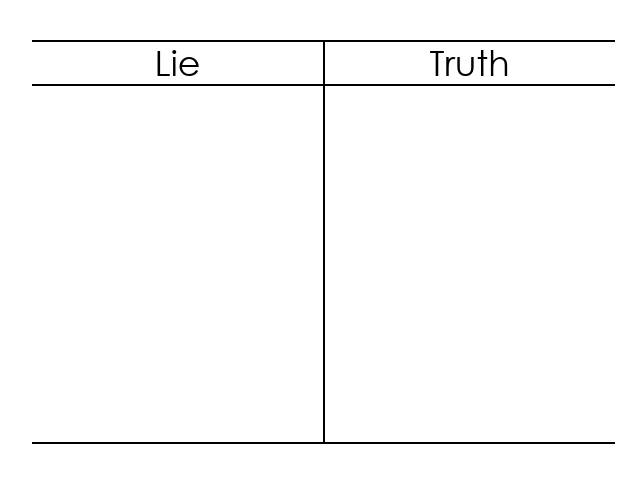
Write or draw one “lie” that people sometimes believe when life is hard (example: “God doesn’t care”).
Then write or draw the truth from God’s Word beside it.
Close with a short prayer asking God to help you trust Him, even when things are hard.